Lock Nut About
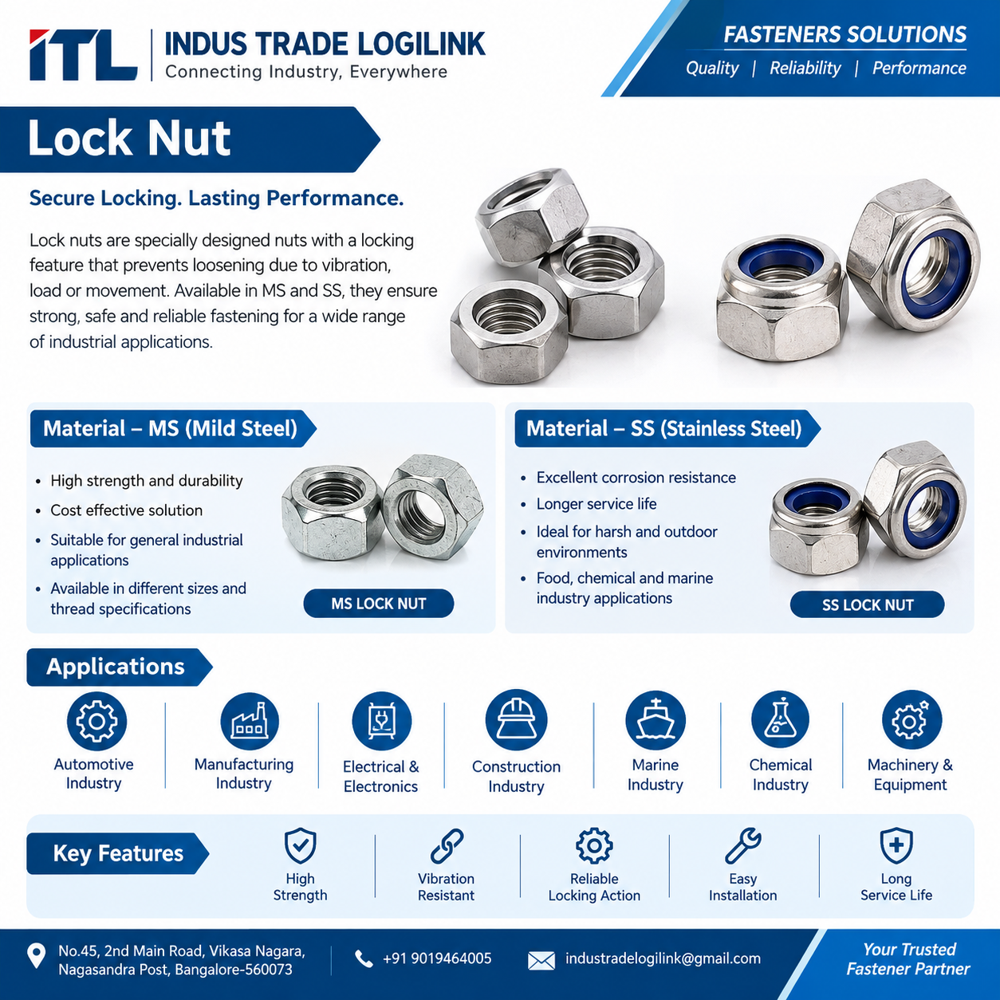
Material: Mild Steel (MS) & Stainless Steel (SS)
Finish: Zinc Plated / Plain / As per customer requirement
Sizes: M3 to M20 and as per requirement
Standard: DIN / ISO / BS / Custom Specifications
Product Description:
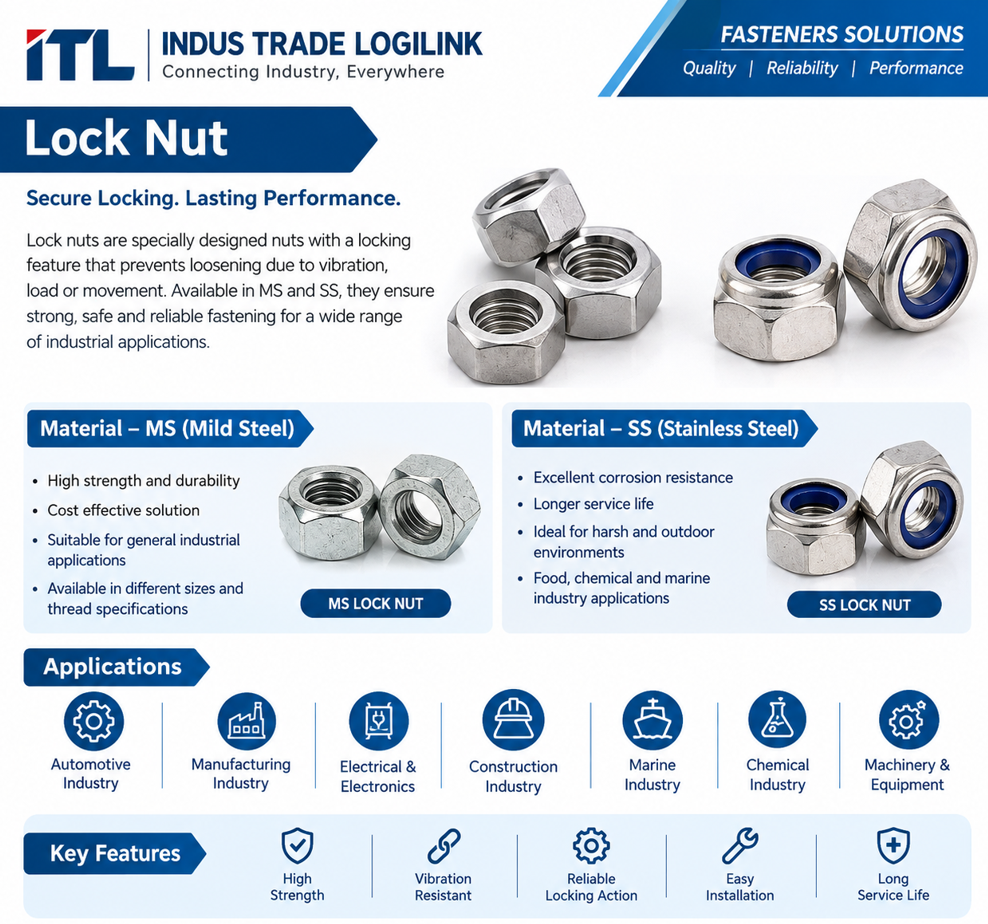
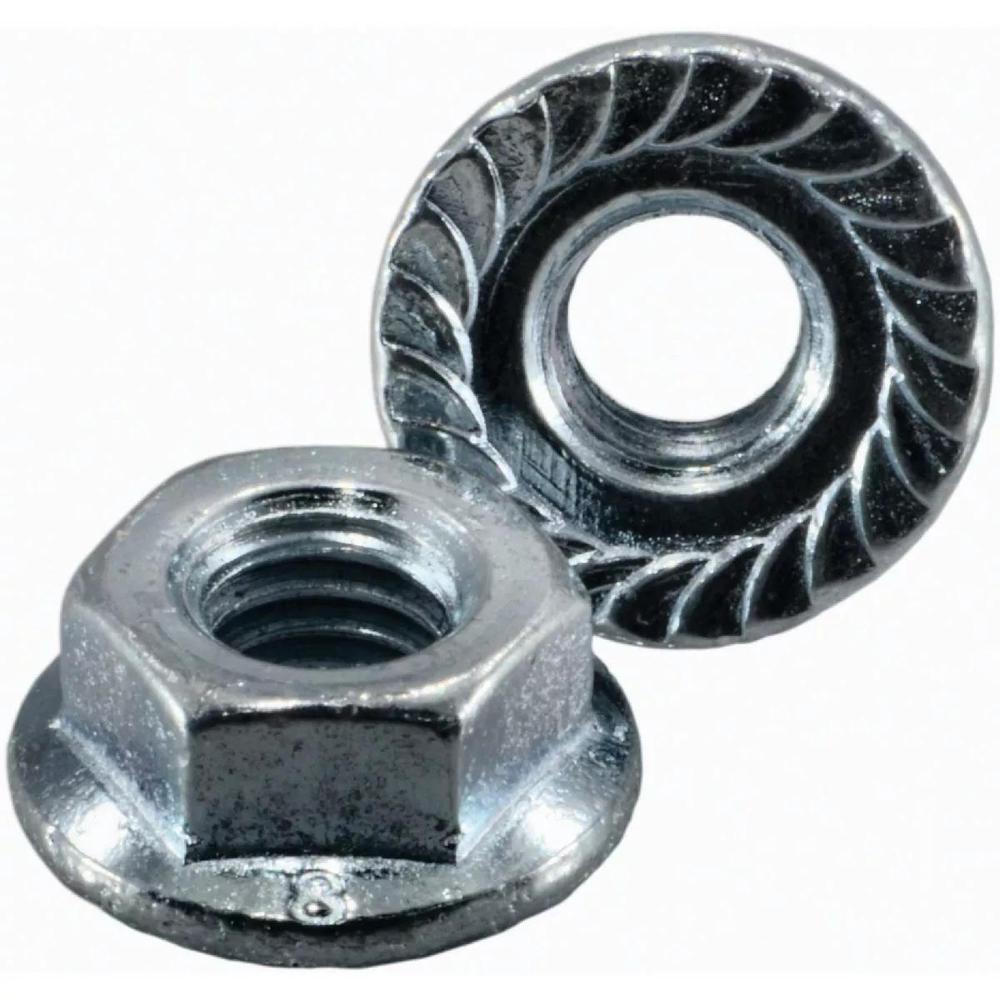
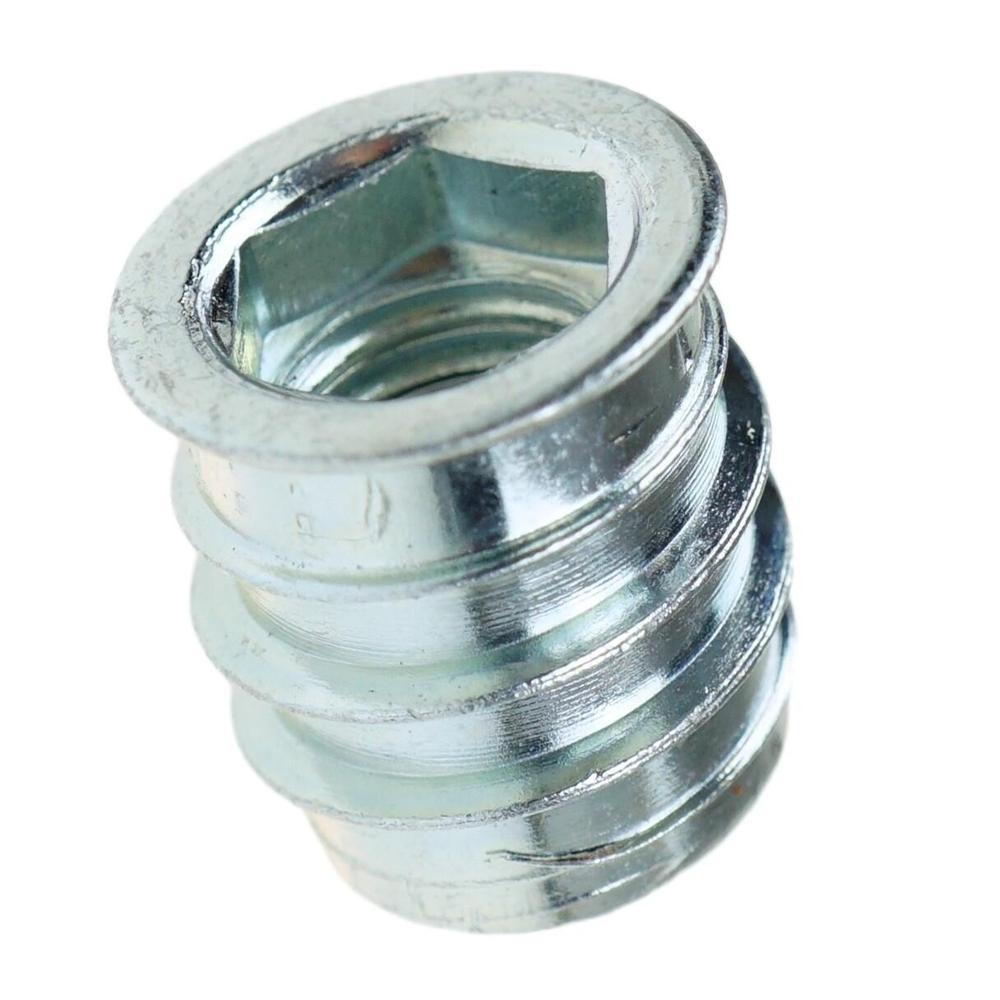
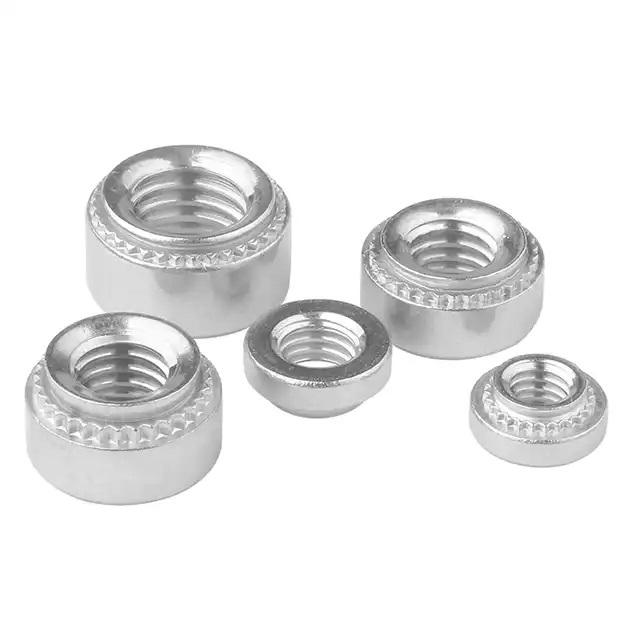
Lock Nut is a specially designed nut used to prevent loosening of a threaded joint caused by vibration, movement or dynamic loads. It provides reliable fastening and maintains the required clamping force during operation.
Applications:
Electrical Panels & Switchgear
Automotive & Auto Components
Industrial Machinery
Fabrication & Sheet Metal Assemblies
Electrical & Electronics Equipment
Pumps, Motors & Gearboxes
Engineering & OEM Applications
Superior Vibration and Torque ResistanceOur lock nuts incorporate self-locking capabilities that prevent accidental loosening due to vibrations or sudden torque. This technology is critical in environments where stability and safety are paramount, such as heavy machinery, automotive assembly, rail infrastructure, and construction settings. Their reliability under stress makes them an essential fastening solution for demanding applications.
Diverse Material and Finish OptionsSelect from stainless steel, mild steel, or custom materials with zinc plated, galvanized, or natural finishes. These options ensure excellent corrosion resistance and temperature stability up to 120C, extending product longevity in challenging or exposed environments. With a smooth finish and robust build, these lock nuts ensure peak performance and enduring safety.
FAQ's of Lock Nut:
Q: How do lock nuts with a self-locking feature work in heavy-duty applications?
A: These lock nuts employ an integrated nylon insert or specific thread design as stipulated in DIN 985 and ISO 10511 standards. This feature maintains consistent friction with the bolt thread, effectively preventing loosening from vibrations or rotational torque commonly encountered in heavy machinery or safety equipment.
Q: What are the main benefits of using zinc-plated or galvanized lock nuts?
A: Zinc-plated and galvanized finishes offer enhanced corrosion resistance, which is particularly valuable in outdoor, high-moisture, or corrosive environments. This protection increases the lock nut's lifespan, ensuring reliable performance over time, especially in infrastructure, railways, and electrical applications.
Q: When should I use stainless steel versus mild steel lock nuts?
A: Stainless steel lock nuts are recommended for applications exposed to high moisture, chemicals, or where superior corrosion resistance is crucial, such as marine or outdoor settings. Mild steel variants offer excellent strength and are cost-effective for indoor or less corrosive environments.
Q: Where are hexagonal head lock nuts commonly installed?
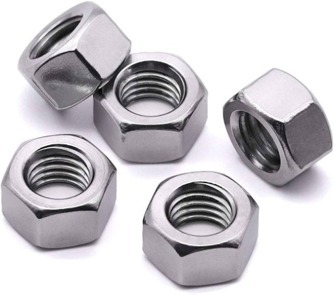
A: Hexagonal head lock nuts are widely used in assembly lines, automotive engines, railways, heavy machinery, cable infrastructure, and household fittings. The hexagon head allows for straightforward tightening with standard tools and ensures a secure fit in both bulk industrial and custom applications.
Q: What process is recommended for installing lock nuts to maximize their self-locking performance?
A: To optimize self-locking effectiveness, ensure threads are clean, align the nut properly, and torque it to the manufacturer-recommended settings. The self-locking mechanism fully engages only when tightened to its specified level, providing lasting vibration and loosening resistance.
Q: How does temperature resistance up to 120C benefit the use of these lock nuts?
A: Resistance to temperatures up to 120C ensures these lock nuts maintain their structural integrity and self-locking capabilities in moderately high-heat environments. This suitability extends their application into engine compartments, electrical installations, and industrial equipment.




 Send Inquiry


 Send Inquiry